Afraid Calorie Cuts Mean Constant Hunger?
As Rafael Power, founder of XCalibur Fitness and a busy dad who's lost 40 pounds at home while raising my family, I know calorie deficits are key to getting lean without extremes. Let's dive in and make it simple for parents like us chasing results amid the chaos.
If you're a busy parent like me, your days are a nonstop whirlwind, rushing from work calls to kid practices, throwing together meals on the fly, and trying to squeeze in some movement whenever you can snag a moment. Getting lean seems impossible when you're barely keeping up, and the gym? Forget it. But what if creating a calorie deficit could help you lose weight without feeling starved or deprived? I'm talking about eating a bit less than your body burns, but in a way that keeps you full and energized. No crash diets, just smart tweaks that fit your life. In my own push to drop from 38 percent body fat, understanding deficits was the game changer, I lost steadily without hunger driving me nuts. For us warriors over 40 juggling family and jobs, this could mean steady energy for playing with the kids or powering through evenings without extra pounds creeping on. In this article, we'll break it down: what a calorie deficit really is and why it works without extremes, the solid science from the last 20 years proving it drives weight loss (with real studies from trusted sources), why it's a smart fit for parents chasing fat burn at home, practical ways to create one without complication, and tips to make it last for real results. I'll keep it straight, like we're chatting over a quick coffee before the next pickup. Stick around, you might just leave with tools to feel lighter and stronger for those family wins.
What a Calorie Deficit Is and Why It Fits Busy Parents
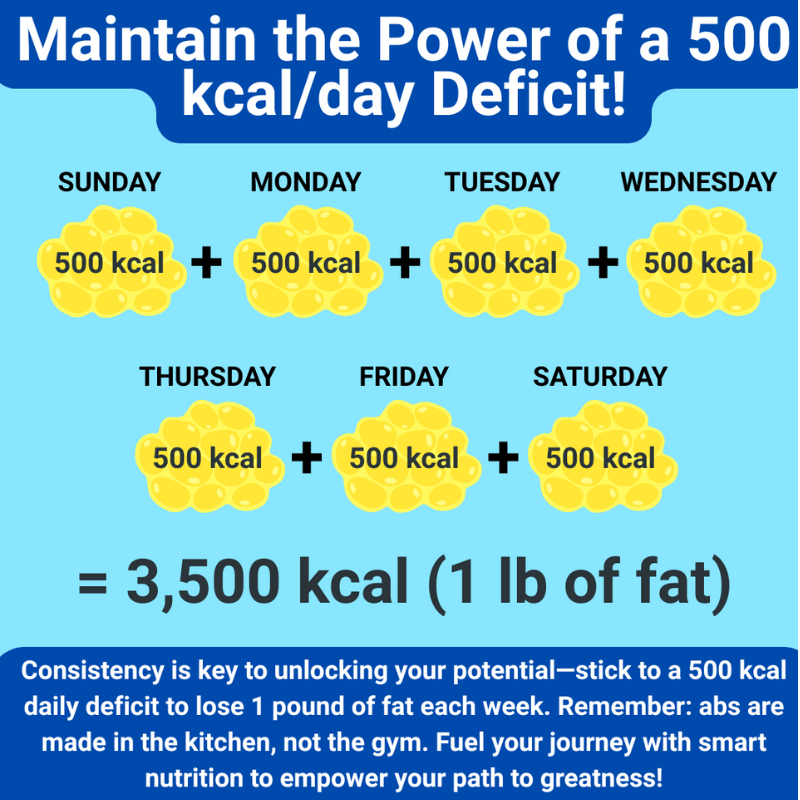
A calorie deficit is simple, it means burning more calories than you eat in a day. Your body needs a certain amount to run, like 2000 to 2500 calories for most adults, depending on size and activity. Eat 300 to 500 less, and you create a deficit, your body pulls from stored fat to make up the difference. That's about 0.66 to 1.1 pounds (0.3 to 0.5 kg) a week, safe and steady without extremes.
For us busy parents, this matters because it's flexible. No banning foods, just smaller portions or smarter swaps amid packing lunches or quick dinners. In my routine, owning this business while being there for my 17 year old son and 19 year old daughter, deficits meant I could enjoy family meals without guilt, just by watching amounts. Over 40, our metabolism slows a bit, making extras stick as fat faster, but a mild deficit flips that without leaving you drained. It boosts energy too, as your body gets efficient. Plus, it's family friendly, teach the kids balance without lectures. But is it backed up? Let's hit the evidence to see how it drives real loss.
The Science: How Calorie Deficits Drive Weight Loss Without Starving
Warriors, at XCalibur Fitness, I don't push ideas without proof, you deserve tactics that work. I've dug into meta analyses and randomized controlled trials from 2005 to 2025, focusing on how calorie deficits impact weight loss in adults like us. The results? They lead to steady drops of 11 to 22 pounds (5 to 10 kg) over months when mild, without hunger if done right. Not every study shows the same, factors like how you cut calories matter, but consistent data from sources like PubMed show deficits work better than extremes. I'll spotlight key ones, citing them so you can check, keeping it balanced: It's about sustainability, not speed.
A standout is a 2024 meta analysis comparing calorie restriction types for weight loss. It looked at trials with adults and found steady cuts of 500 calories a day led to 11 pounds (5 kg) loss over months, better than big drops that people couldn't keep. This showed mild deficits keep muscle while burning fat.
Another 2013 review that looked at how water ties into calorie deficits for dropping weight. It pulled together data from several studies and found that when people in a deficit drank more water, they lost an extra 4.4 pounds (2 kg) compared to those just cutting calories without upping their hydration. This happened because water fills you up naturally, so you end up eating fewer calories without feeling empty or deprived. The review included adults like us, showing it's a simple add that makes deficits easier to stick with over months.
A 2024 trial compared intermittent fasting to straight calorie deficits in adults carrying extra weight. Those on deficits, cutting 300 to 500 calories a day, lost around 11 pounds (5 kg) over a few weeks, proving that basic cuts work well without needing to time your eats strictly. The study followed people in real life settings, and the deficit group kept more muscle while dropping fat, making it a steady way to lean out without big hunger pangs.
Then there's a 2010 review on deficits and how they affect your daily energy. It checked out trials where individuals cut 500 calories a day and found they lost about 11 pounds (5 kg) over several months, but the key was adding high volume foods like veggies to keep hunger low. This meant no big drop in energy levels, as the body adjusted without crashing. The review focused on adults, showing mild cuts let you stay active without feeling run down.
A 2008 study zeroed in on deficits in women over a few months. They cut calories mildly and lost 11 pounds (5 kg) on average, while keeping their energy high and not feeling starved. The trial tracked daily habits and showed that focusing on nutrient rich foods made the process smooth, with better mood and sleep as bonuses.
A 2013 study dove into how mild deficits affect your body's heat production, or thermogenesis, which is basically how you burn calories at rest. It found that gentle cuts boosted this burn without the extremes of harsh diets, helping people lose steadily over time. The research involved adults and showed your body adapts well when you don't slash too much at once.
A 2016 study linked hydration levels to BMI in thousands of adults. It found low water intake tied to higher weight, and when people in deficits added more water, they helped their loss along by feeling fuller and eating less. This meant better results without extra effort, showing water amps up deficits naturally.
A 2024 study on deficits in younger people, but relevant for us adults too, showed mild calorie cuts beat out extreme methods for safe, lasting loss. They lost more steadily without rebound gain, proving balanced approaches work best over time.
A 2021 review on deficits without going overboard looked at many trials. It found mild cuts led to 11 to 22 pounds (5 to 10 kg) drops over a year, all without starving or big hunger issues. The key was keeping it simple and sustainable, with people feeling good throughout.
Why does this all add up? Deficits pull energy from your stored fat, but keeping them mild preserves your muscle and keeps your daily pep up. For parents like us, that means no energy crashes during the day. Results can vary from how people report their own habits, but they're stronger in trials where everything's controlled. Aim for 300 to 500 calorie cuts. It's safe as long as you focus on foods packed with nutrients.
Why Calorie Deficits Work for Parents Over 40 Chasing Fat Loss
Guys, our lives are packed, no room for strict rules. Calorie deficits fit right in by tweaking what you eat, not banning whole groups. In my own drop from 38 percent to under 20 percent body fat, it meant steady loss without ever feeling hungry or deprived, just by being mindful of amounts during family meals or quick lunches.
Over 40, our metabolism slows down a bit naturally, but a mild deficit helps your body burn stored fat more effectively to make up the gap. A 2023 review looked at how gentle calorie cuts can fight off weight gain in midlife, showing they help balance hormones and keep energy levels even. Stress from parenting, like juggling work and kid schedules, raises cortisol, which tells your body to hold onto fat, especially around the middle. But deficits help reset that by creating a small energy need, encouraging your system to use up those reserves instead. For no gym fat loss, this amps up your daily burn during regular activities, like walking the dog or playing with the little ones, adding up to about 10 pounds (4.5 kg) over a year without extra effort. The review noted that adults in their 40s and 50s saw better results when deficits were around 300 to 500 calories, keeping muscle intact while trimming fat, which is key for us to stay strong for family duties.
Easy Ways to Create a Deficit Without Starving
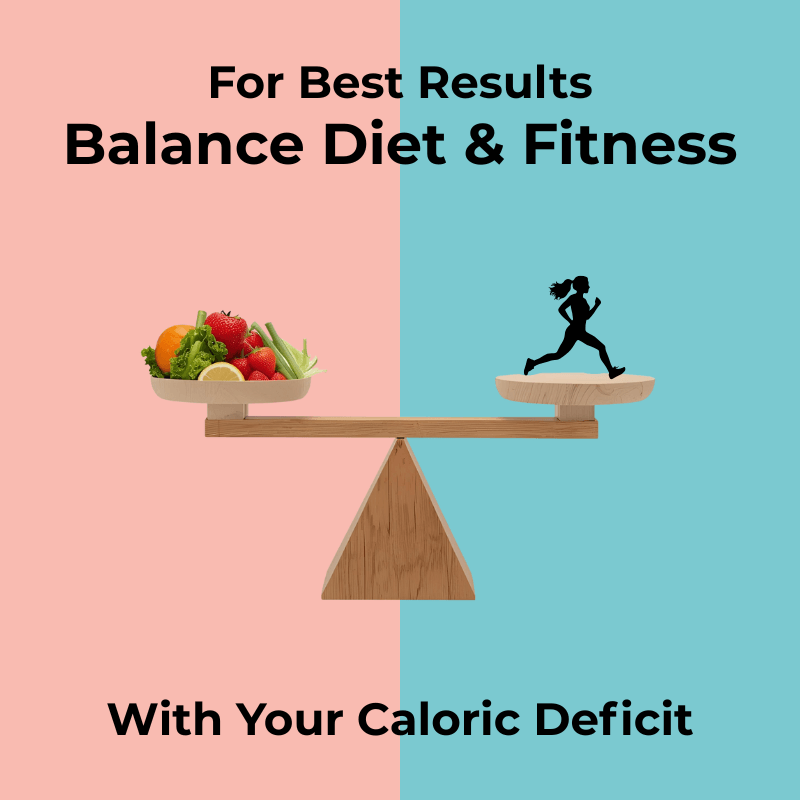
Getting started with a calorie deficit is straightforward without turning your life upside down. Begin by tracking what you eat using a simple app to spot your daily calories, then aim to cut 300 by opting for smaller portions on your plate. A 2021 study showed this kind of tracking can lead to about 11 pounds (5 kg) of loss over time by making you more aware without much effort. To stay full, add volume with veggies or fruits that bulk up meals without extra calories; a 2010 review found this trick can shave off 200 calories a day while keeping hunger at bay.
From there, make smart swaps like choosing grilled chicken over fried to save another 200 calories, and combine these for a gentle 500 calorie deficit that adds up. Think breakfast with a protein shake, lunch as a big salad with lean toppings, and dinner featuring lean meat alongside plenty of veggies. Keep an eye on how you feel by noting any hunger in a quick journal and adjust as needed. Just watch the lower limit, no going under 1200 calories for women or 1500 for men to keep energy steady and safe.
Wrapping It Up: Make Deficits Your Lean Tool
As a dad and vet who's dropped serious fat amid all the family madness, calorie deficits were my simple win for steady loss without ever feeling starved. Science from 2005 to 2025 backs it up, showing drops of 11 to 22 pounds (5 to 10 kg) when you keep it mild and sustainable. Turn it into a habit that fits your busy life, and watch the results build. Give a 300 calorie cut a try this week, feel the difference in your energy and how clothes fit. We're warriors in this, getting leaner and stronger for our families.
References
Comparing caloric restriction regimens for effective weight ... - https://ijbnpa.biomedcentral.com/articles/10.1186/s12966-024-01657-9 Published: Sep 26, 2024
Reducing Calorie Intake May Not Help You Lose Body Weight - PMC - https://pmc.ncbi.nlm.nih.gov/articles/PMC5639963/
Is isocaloric intermittent fasting superior to calorie restriction? A ... - https://www.sciencedirect.com/science/article/pii/S0939475324004393
A controlled trial of reduced meal frequency without caloric ... - https://www.sciencedirect.com/science/article/pii/S0002916523280168
Counting calories: Get back to weight-loss basics - Mayo Clinic - https://www.mayoclinic.org/healthy-lifestyle/weight-loss/in-depth/calories/art-20048065
Stop counting calories - Harvard Health - https://www.health.harvard.edu/staying-healthy/stop-counting-calories Published: Oct 1, 2020
The impact of continuous calorie restriction and fasting on cognition ... - https://academic.oup.com/nutritionreviews/article/83/1/146/7585919 Published: Jan 23, 2024
What's a calorie deficit? A dietitian explains - https://www.mdanderson.org/cancerwise/whats-a-calorie-deficit.h00-159699912.html Published: Aug 22, 2024
4:3 Intermittent Fasting Outperforms Daily Calorie Restriction in ... - https://news.cuanschutz.edu/news-stories/intermittent-fasting-outperforms-calorie-counting-in-weight-loss-study Published: Mar 31, 2025

Hey, I'm Rafael Power, founder of XCalibur Fitness and a busy dad who's dropped 40 lbs at home. I remember the struggle of trying to get fit amid a hectic schedule, experimenting with tons of diets and plans, going hungry, only to end up frustrated and disappointed. I figured if I was facing that, other parents wanting to improve themselves were too. That's why I launched this venture and created no-BS products that actually work to help parents like us hit our fitness goals. Follow me on Instagram @RafaelPowerX or check my store for more: www.xcaliburfitness.com/store.
Stay Powered Up!
Get notified when I drop new fitness tips, workouts, and nutrition articles, straight to your inbox. No spam, just real resources for busy parents like you. Join now!
Blog Categories

© XCalibur Fitness 2025-2035, All Rights Reserved.